Custom Plastic
Molding.
Precision plastic components engineered for automotive, appliance, industrial, water, and consumer applications — from prototype through full-scale OEM production.
Custom plastic molding built around your application.
Every project starts before a single tool is cut. Our engineers review your design for manufacturability, recommend the right molding process, identify the optimal resin, and flag cost-saving opportunities — so you get the right part the first time.
From housings and tanks to structural brackets, covers, and hollow rotomolded assemblies, we manufacture precision plastic components that perform in demanding real-world conditions across automotive, appliance, industrial, water, and consumer applications.
Plastic molding processes.
We select the right molding method based on your part geometry, volume, material, and cost requirements.
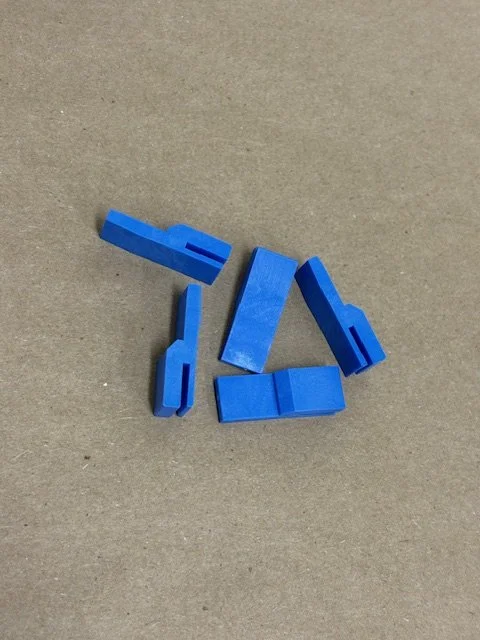
Injection Molding
Molten resin is injected into a closed mold cavity under pressure, delivering consistent quality, tight tolerances, and complex geometries at scale.
- Tightest tolerances
- Complex geometry support
- Low to high volume programs
- Fastest cycle times
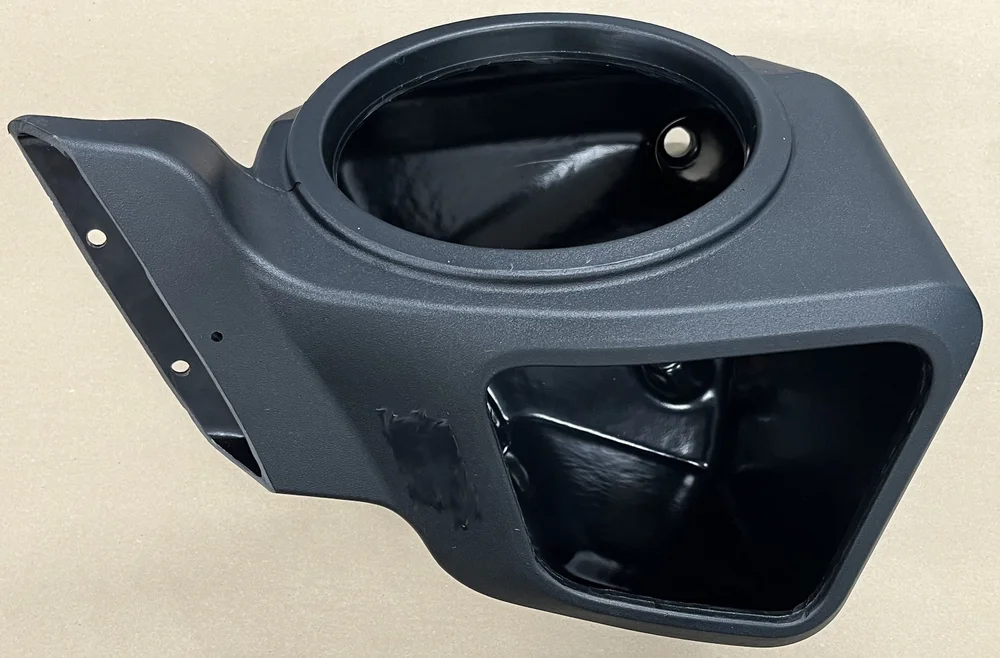
Rotational Molding
A heated mold rotates slowly while powdered resin melts and coats the interior, producing hollow, seamless parts with uniform wall thickness.
- Large, hollow, seamless parts
- Uniform wall thickness
- Low tooling cost vs. size
- Durable, stress-free parts
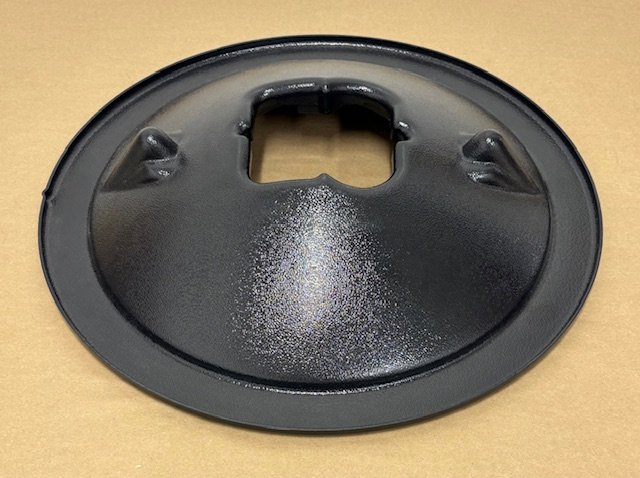
Vacuum Forming
Heated plastic sheet is drawn over a mold using vacuum pressure — an efficient option for prototypes and low-to-medium volume runs.
- Lowest tooling cost
- Fast turnaround
- Ideal for prototypes
- Clean detail & finish
Plastic components built for demanding applications.
We manufacture custom plastic molded parts for industries where performance, durability, and dimensional accuracy are non-negotiable.

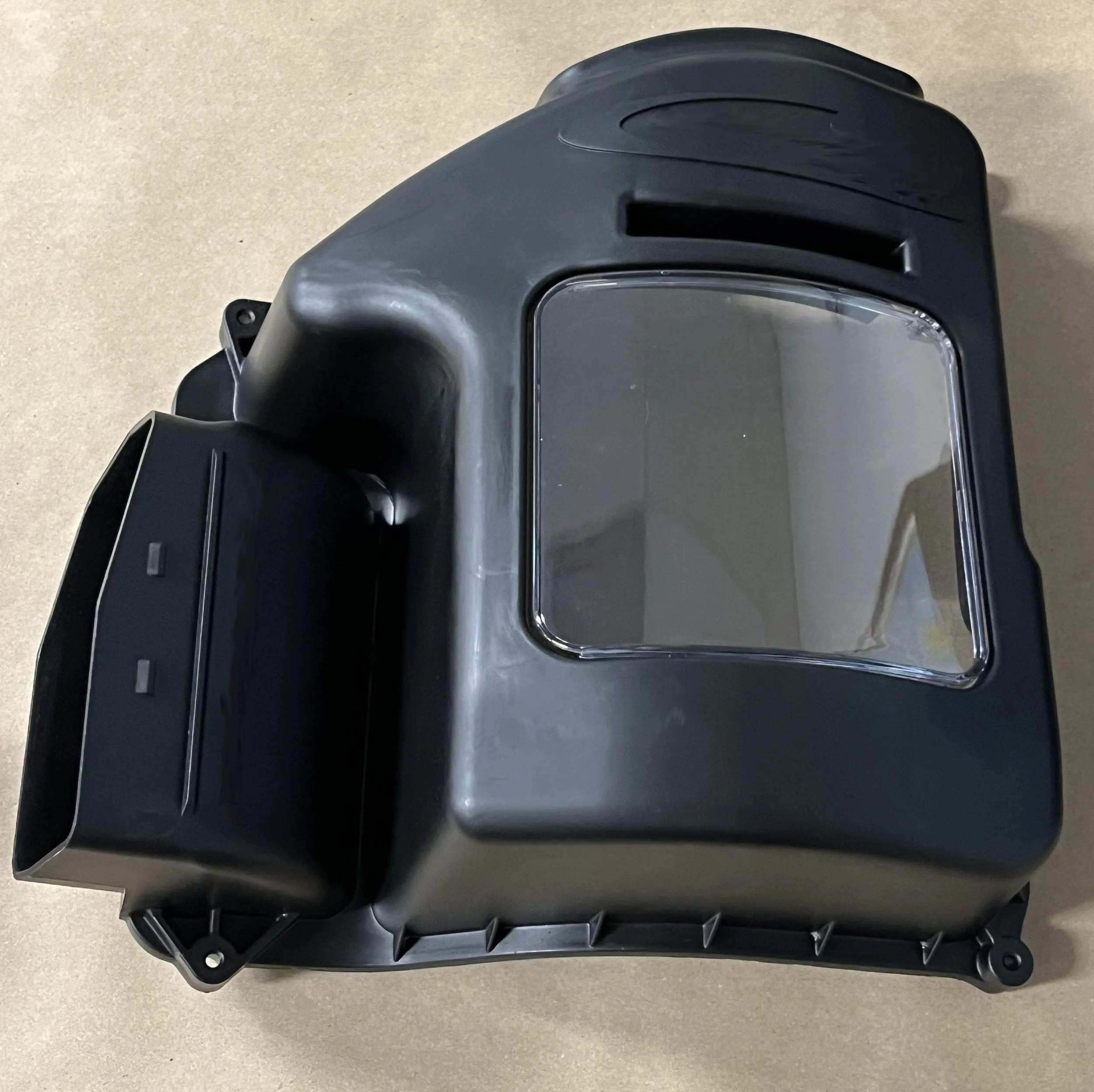
High-performance plastic parts engineered for aftermarket automotive applications.
From intake system components to housings and brackets, we produce automotive plastic parts that match or exceed OEM specifications. Materials are selected for heat, vibration, and chemical resistance in underhood and cabin environments.
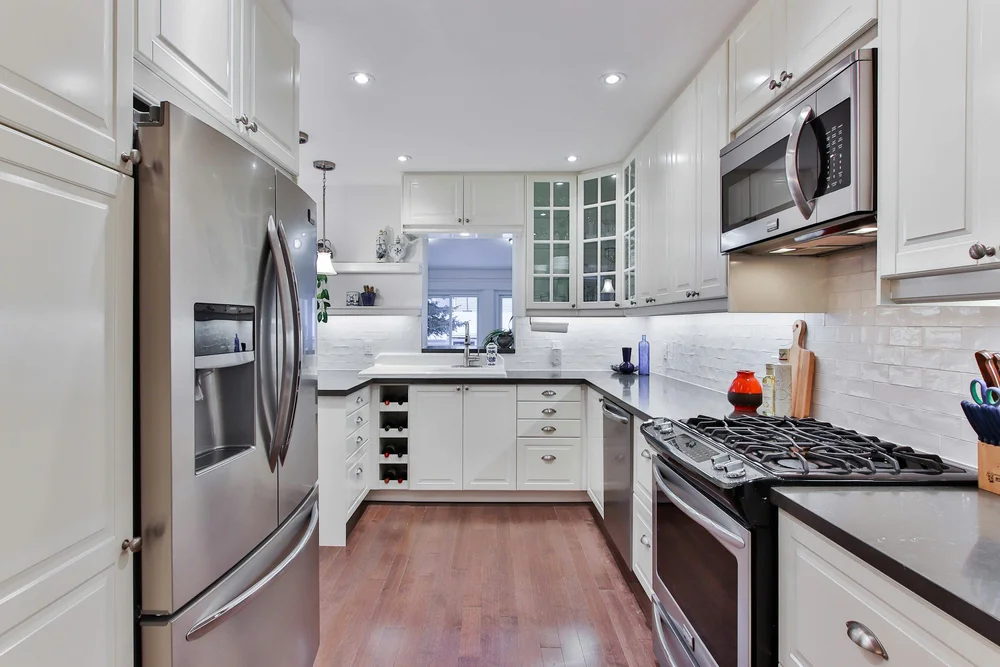
Precision plastic components that meet the demands of consumer and commercial appliances.
We supply housings, panels, enclosures, and functional components for major appliance manufacturers and consumer product brands. Our resins are selected to withstand chemical exposure, temperature cycling, and long-term mechanical fatigue.

Precision molded plastic components built to last.
We manufacture CPVC, PVC, and PP fittings, pipes, couplings, and structural components for filtration chambers and piping systems. Materials are selected for superior chemical and heat resistance, holding up to corrosive environments and demanding filtration applications where long-term reliability is critical.
Which process is right for your part?
Use this as a starting point — we'll evaluate your specific geometry, volume, and material during DFM review and recommend the best fit.
| Criteria | Injection Molding | Rotational Molding | Vacuum Forming |
|---|---|---|---|
| Part Complexity | Simple to Complex | Large / Hollow Parts | Simple to Moderate |
| Tooling Cost | Medium – High | Medium | Low |
| Production Volume | Low to High | Low to Medium | Low to Medium |
| Wall Thickness | Precise, Variable | Uniform | Variable |
| Dimensional Consistency | Excellent | Good | Good |
| Cycle Time | Fastest | Longest | Fast |
| Best For | Tight tolerances, high volume | Large, hollow, seamless parts | Prototypes, fast turnaround |
Plastic materials, standards & performance properties.
We work with a comprehensive range of engineered resins selected for temperature, chemical, mechanical, and compliance requirements across every industry we serve.
Industry Standards & Compliance
- FDA approved / food-grade resins
- NSF-certified potable water materials
- UL recognized materials
- ASTM molded plastic standards
- RoHS-compliant compounds
Plastic Materials We Process
- HDPE
- LLDPE
- Polypropylene (PP)
- ABS
- Nylon (PA)
- Polycarbonate (PC)
- PETG
- HIPS
- CPVC
- PVC
- ...and more
Performance Properties
- Impact & structural rigidity
- UV & outdoor weather resistance
- Chemical & fuel resistance
- Temperature cycling resistance
- Seamless, stress-free construction
- Consistent wall thickness
Common questions about custom plastic molding.
Answers to the questions that engineers, buyers, and product teams ask when evaluating a plastic molding partner.
Injection molding injects molten resin into a closed cavity under pressure, delivering the tightest tolerances and fastest cycle times for complex, high-volume parts. Rotational molding rotates a heated mold while powdered resin melts and coats the interior, producing large, hollow, seamless parts with uniform wall thickness. Vacuum forming draws a heated plastic sheet over a mold using vacuum pressure — the most cost-effective option for prototypes and low-volume runs. We recommend the right process based on your geometry, volume, and budget during DFM review.
It depends on your temperature range, UV exposure, and chemical environment. HDPE and LLDPE offer strong impact resistance and are common choices for rotomolded tanks and outdoor equipment. Polypropylene (PP) resists fatigue and chemicals well for underhood and industrial parts. Nylon (PA) and polycarbonate (PC) hold up under sustained heat and mechanical stress. UV-stabilized additive packages can be added to most resins for long-term outdoor exposure. We help you identify the right compound during our material selection process.
Yes. Injection molding supports metal insert molding, where threaded inserts, standoffs, or fasteners are placed in the mold and encapsulated by resin during the shot, producing a single integrated component with strong pull-out strength. This is commonly used for housings, brackets, and assemblies that require repeated fastening.
Most tooling takes 4 to 8 weeks depending on complexity. Vacuum forming tools are on the shorter end, while multi-cavity injection molds or large rotomolding tools take longer. First article samples are submitted for your approval before full production begins.
Custom molded plastic is used wherever durability, structural performance, or containment is needed. We regularly serve automotive, appliance, industrial, water, and consumer product manufacturers. If your application requires plastic in a demanding environment, we can help engineer the right solution.
There is no fixed minimum order quantity for custom plastic molding. We support everything from small prototype runs to high-volume OEM production. Custom molding requires an initial tooling investment, so we work with you during DFM review to structure the program around your volume and budget — including tooling strategies that minimize upfront cost for early-stage programs.